‘Tis the season for snow and ice. With the official first day of winter right around the corner, we wanted to share some reminders about winter walkway maintenance.
City Snow Removal
The City of Burlington provides snow removal services throughout the city, maintaining 1,900 km of road and 850 km of sidewalks. Snowplows clear roads in priority order based on road classification. View our online road plowing priority map to discover which roads are designated as primary, secondary and residential roads. You can also use our Snow Plow Tracker to see which roads and sidewalks have been cleared after a snow event.
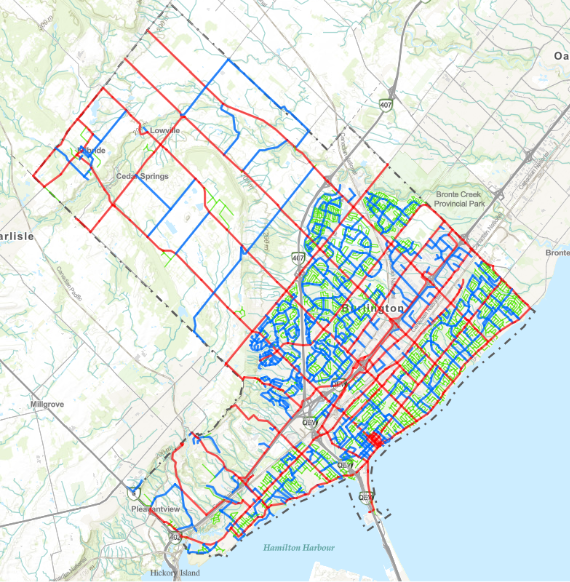
The City begins to clear snow from sidewalks when snow accumulation reaches five cm (or two inches) and aims to have sidewalks cleared within 48 hours after the end of snowfall. Off-road pathways (high-volume paths only) are cleared within 72 hours after the end of the snowfall.
Be Nice, Clear Your Ice
While the City does not require you to clear your sidewalk, if you’re able, please help kids get to school, caregivers push strollers and people move with mobility devices by clearing your sidewalk as soon as you can. If you are a business owner, you are required to keep your sidewalk clear if it is being used to access your business.
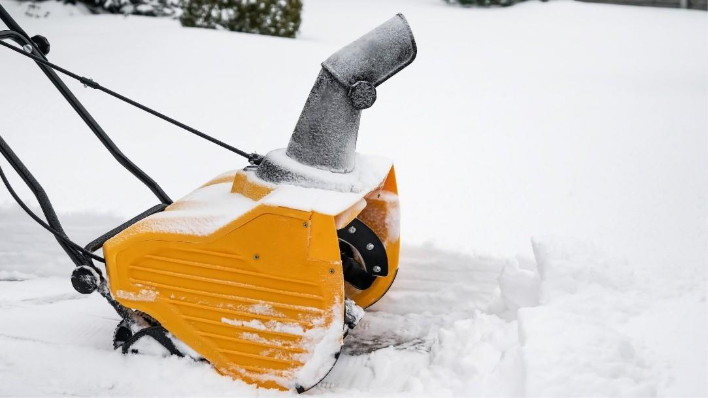
Use a shovel to clear small areas or light snowfall instead of starting up your snow blower. Remember to check to make sure your snow blower is in good working condition before the first major snowfall and always start it outdoors. If your snow blower is in need of replacement, consider going electric!
Clear snow early and often. This will prevent the snow from becoming heavy and compacted or turning into ice, which will reduce the amount of ice-melt needed to keep your walkways safe.
Salt and Sustainable Solutions
Rock salt (sodium chloride) is the most common method for melting ice on your driveway, sidewalk, or front steps. Salted water freezes at a colder temperature than regular water, so when you apply salt to ice, the ice melts back into water. However, that salted water will then run into your lawn, garden, or a stormwater drain and can have negative impacts on vegetation, water quality, and aquatic life.
If you are looking for some sustainable alternatives to salt, consider the following:
- Check the labels. Some alternative products available at the hardware store contain chlorine in the form of potassium chloride, calcium chloride, or magnesium chloride. As with rock salt, they can all have a negative effect on plants and animals.
- Calcium Magnesium Acetate is a bio-degradable and less corrosive alternative to salts, though it works more slowly and is more expensive.
- Urea, used in fertilizer, is another chemical used to melt ice. It is not as effective as rock salt but causes less damage to vegetation.
- Put down a traction-aid like sand, kitty litter, or mulch in areas that are close to vegetation, instead of chloride-based salts.
- A search on the internet provides many homemade recipes for melting ice that a homeowner can try. These include mixtures comprised of hot water and dish soap mixed with rubbing alcohol or vinegar. As with anything on the internet, the user is reminded to take such advice with, pardon the pun, a grain of salt, and to carefully follow any instructions provided by the site.

It’s All in the Application
If you choose to apply rock salt or other chloride-based salts, keep these tips in mind:
- Shovel as much snow as possible before using a de-icing agent.
- Spread the material immediately after clearing the walkway and before the temperature begins to drop.
- Use as little as possible, distributing it as evenly as possible (perhaps with a handheld fertilizer spreader) – don’t use your hands!
Take Action Burlington! Let’s work together to keep our sidewalks clear of snow and ice, and our active commuters safe. Collectively, we can make a difference.
This is an updated version of our Winter, sidewalks, snow and ice, oh my! post from January 2023.

