
Now is the time to see the amazing natural event that is annual spring bird migration! Spring migration begins in mid-March and ramps up through April, before peaking in mid-May with the arrival of the colourful warblers. Some birds are returning to the Burlington area to choose a breeding territory, while others stop over briefly to rest and refuel before continuing north. The finale comes in late May, with a few shorebirds (sandpipers, plovers) visiting us briefly on their journey to their Arctic breeding grounds.
When and Where to Watch Birds
Generally, good birding can be had from 7 to 9 a.m. After that time, the birds may become less active, though you can still see some throughout the day. Use binoculars if you have them. Birds can be seen in any greenspace, but there are certainly hotspots around the city for better viewing (see Tourism Burlington’s birding page). Don’t have binoculars? Did you know that the Burlington Public Library has a free binocular lending program?
World Migratory Bird Day
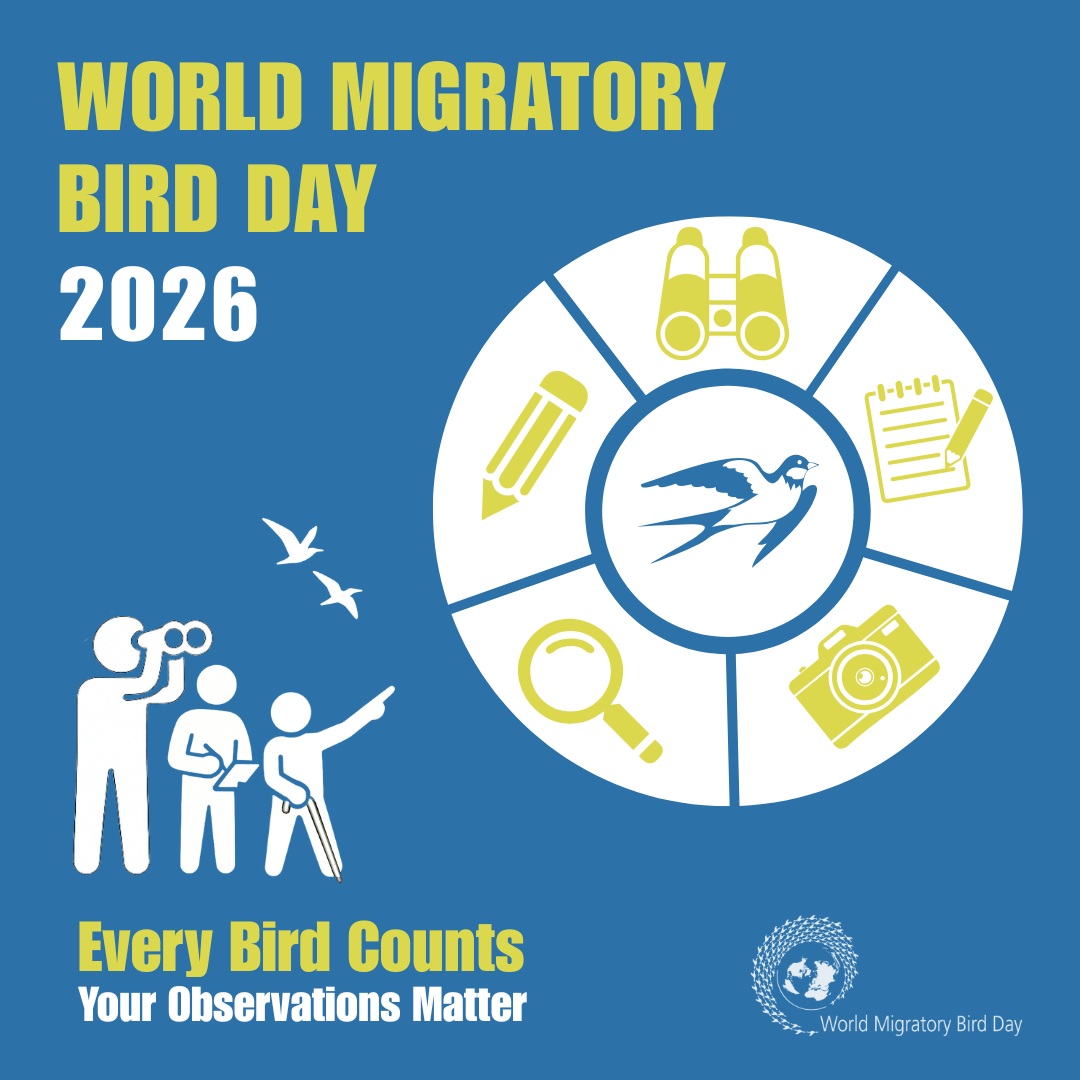
Saturday, May 9, 2026, is World Migratory Bird Day (WMBD)! It’s the perfect time to appreciate birds and how they enrich our lives and lift our spirits, while considering how we can help them.
- This year’s WMBD theme is “Every Bird Counts – Your Observations Matter!” Logging your everyday bird sightings in platforms such as ebird.org, and participating in backyard bird counts, Project FeederWatch, and organized annual bird counts, is a great way to help provide data for researchers, to better understand and conserve birds.
- In Burlington, Mayor Meed Ward has issued a proclamation in recognition of WMBD 2026.
- Bird Friendly Hamilton Burlington will also have an information table at Beachway Park in Burlington, on Saturday, May 16, 2026, outside BurlingtonGreen’s Eco-Hub at 1094 Lakeshore Rd. (red brick building between the playground and concession building). Feel free to stop by and chat about birds, plus join a guided bird walk at the beach, as a component of BurlingtonGreen’s larger “Spring Eco-Action at the Beach” event that day. Learn more and register at BurlingtonGreen.
- On May 10, the Brant Street Pier lights will be dimmed early at 10 p.m. in recognition of WMBD. (Note: the pier lights are also dimmed every night after midnight.)

More Ways to Take Action for Birds
In April 2022, Burlington was officially certified as a Bird Friendly City (BFC) by Nature Canada, thanks to the bird-friendly efforts of the community, the City of Burlington, and Bird Friendly Hamilton Burlington which led the application process. This certification was renewed in spring 2024, and is due again for renewal in early 2027. To date, 36 Canadian municipalities have been BFC certified, including one other in Halton Region: Halton Hills. Together, we’ve made great progress, but there’s much more to do. Below are ways you can help:
1. Lights Out Until End of May
The bright ‘skyglow’ of cities at night can lure migrating birds off-course into urban settings, where they can meet with a variety of fatal hazards, such as outdoor cats, and collisions with windows and glass railings. You can help keep migrating birds safe by turning off or dimming non-essential lighting, or closing curtains and blinds at night, at home and at work, until the end of May, and again in the fall.
The City of Burlington strives to minimize non-essential lighting at night in its buildings, both to the benefit of birds and energy savings. The LED streetlight retrofit program undertaken in Burlington several years ago also reduces uplight contributing to skyglow.
2. Glass Treatment
See flap.org and birdsafe.ca for tips on how to properly treat windows and glass railings to greatly reduce the risk of bird collisions at home or work.
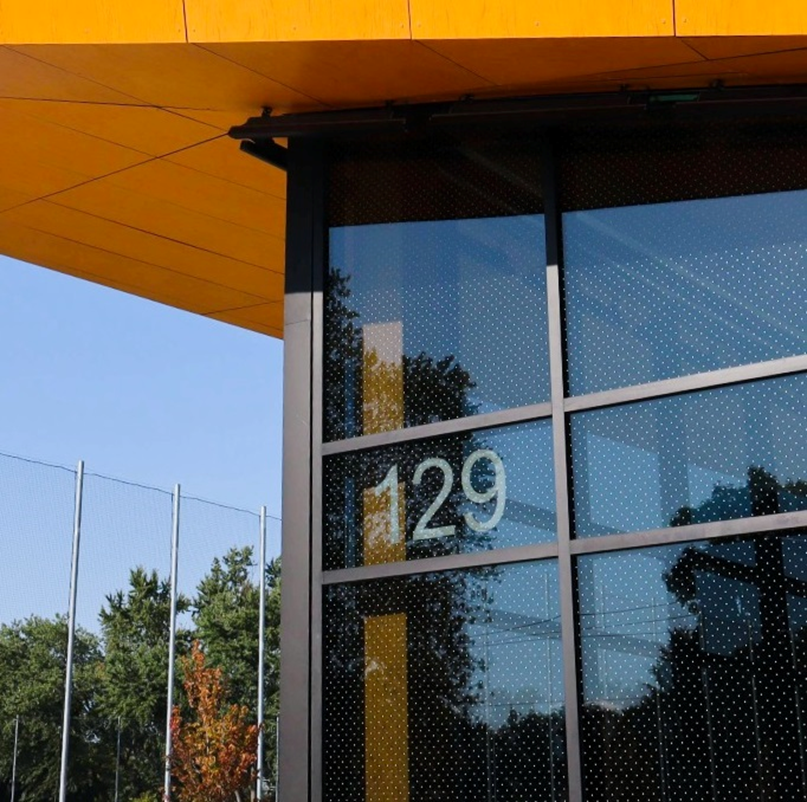
The City of Burlington now has bird-friendly glass (dot markers) on several new and renovated buildings, such as Mountainside Community Centre, City View Park Pavilion, Skyway Community Centre , and Robert Bateman Community Centre.In the community, you may have also noticed that sections of Joseph Brant Hospital and RBG’s Main Centre have bird-friendly glass, as well as a few new condo developments.
3. Outdoor Cats
Domestic cats outdoors are a very large threat to birds. Consider keeping your cats indoors or in an enclosed ‘catio’. Please do not let pets roam at large, in accordance with the City of Burlington’s Animal Control Bylaw.
Take Action Burlington! Help keep migrating birds safe by turning off or dimming non-essential lighting, or closing curtains and blinds at night, at home and at work, until the end of May, and again in the fall. Collectively, we can make a difference.
This post was submitted by Dave Tourchin, Co-chair, Bird Friendly Hamilton Burlington, and is an updated re-post of an article from May 1, 2023.

