This Fall, over 1,100 high pressure sodium (HPS) decorative streetlights in Millcroft and the Orchard will be replaced with light emitting diodes (LEDs). This is part of a larger effort to convert remaining HPS bulbs in the city to LEDs to make street lighting in Burlington greener!
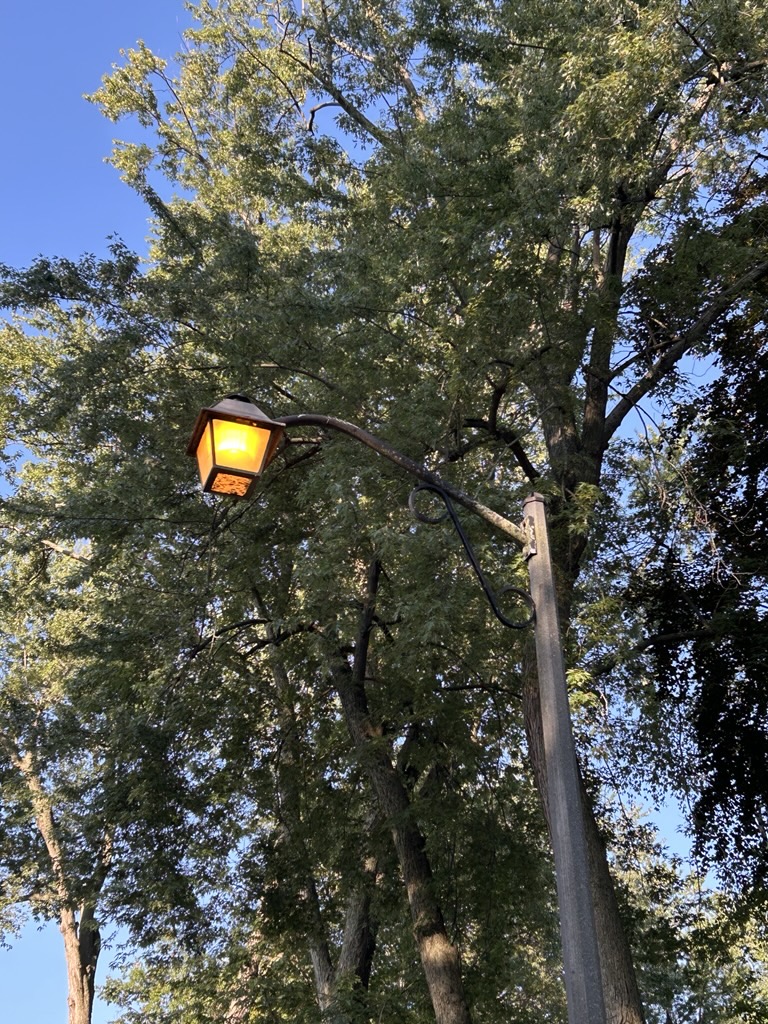
High Pressure Sodium and Light Emitting Diodes, What’s the Difference?
High pressure sodium bulbs pass an electric current through sodium vapour to produce a warm yellow-orange light. HPS bulbs have been the standard in street lighting for decades because of their efficiency and high lifespan compared to other lighting options. However, increased availability and numerous technological advances have made LED the best choice for street lighting.
LED stands for light emitting diode. A diode is an electrical device with two electrodes. Energy flows from one electrode to the other, which produces light. LEDs are often associated with a white coloured light; however, their colour is adjustable and can be made cooler or warmer.
Why Switch?
The City of Burlington has converted more than 15,000 streetlights from HPS to LEDs since 2018 because of the many economic and environmental advantages.
Energy Efficiency
LEDs use significantly less energy than HPS bulbs. Switching from HPS to LEDs can reduce energy consumption by 50%-70%*. For example, to produce the same amount of light, an HPS bulb will use 150 watts where an LED would only use 50 watts. This is for two main reasons:
- Light Direction: Street lighting only requires light to be produced in 180 degrees to cover the ground beneath them. HPS bulbs are omnidirectional, meaning they produce 360 degrees of light. This means light produced by HPS bulbs must be diverted using mirrors, and energy is wasted producing light in the wrong direction. LEDs on the other hand, produce 180 degrees of light, optimizing light production and energy use.
- Heat Production: Similar to incandescent bulbs you might have at home, HPS bulbs heat up as they produce light. LEDs do not heat up as they produce light, thereby saving energy which otherwise would have been released by HPS bulbs as heat.
Using less energy reduces the release of pollutants used in energy production like carbon dioxide (CO2) and particulate matter (PM) which contribute to climate change and negatively affect air quality.
Lower Maintenance Requirements
HPS bulbs have a lifespan of approximately 20,000 to 24,000 hours or 3-5 years*. The lifespan of an LED lifespan is twice as long, lasting up to 50,000 hours or 10 years*. This means less bulbs being replaced and less bulbs being thrown out, reducing waste created by street lighting in Burlington. Longer life span also decreases instances of burned-out lights, meaning better lit roads and a safer Burlington.
Plus, HPS bulbs require additional technology to turn on the lights called ballasts. These eventually fail and require repair or replacement. LEDs do not require ballasts, further reducing the need for replacement parts or maintenance.
Lower Light Pollution
Light pollution occurs when we change outdoor lighting levels from naturally occurring conditions. Light pollution can negatively impact animal behaviours like migration and wake-sleep habits. For example, you may have seen bugs circling outdoor lights; this is because they rely on the moon for guidance and are confused by other bright, indirect light sources.
Excess indirect lighting also blocks out the stars, affecting the beauty of the night sky. LEDs can help minimize the impact of streetlighting, as they direct light better than HPS, reducing the amount of light spilling into unwanted areas. LED brightness and colour can also be adjusted, preventing areas from being lit in excess, thus balancing safety and environmental impact.
Hazardous Waste Reduction
HPS bulbs contain mercury, a long-lasting contaminant which can harm human health and the environment. Because of the harm it can cause, the government of Canada is banning all mercury containing products by 2029. LEDs do not contain mercury. Converting HPS bulbs aligns the City with government regulations and reduces the presence of dangerous pollutants in Burlington.
Take Action Burlington! By replacing old HPS bulbs with LEDs, we will be reducing energy consumption and making our city a better place for wildlife and for ourselves. Collectively, we can make a difference.
This post was provided by Hannah M., Street Lighting Student, City of Burlington
*Linking to a business webpage is not an endorsement by the City of Burlington*

