
The final days of summer are here, and across Burlington everyone is trying to make the most of the last precious weekends. If you are planning to spend yours by your backyard pool, this post is for you!
It goes without saying that owning a pool comes with great responsibilities particularly around pool safety. If you or a member of your family would like to learn to swim or brush up on your skills, visit burlington.ca/swimming. It’s also important to follow some basic maintenance actions to ensure your pool doesn’t impact your neighbour’s property or the natural environment. Good eco-friendly pool, spa and hot tub maintenance starts with knowing about sanitary and storm sewers and yes, there is a difference between the two.
What is a sanitary sewer?
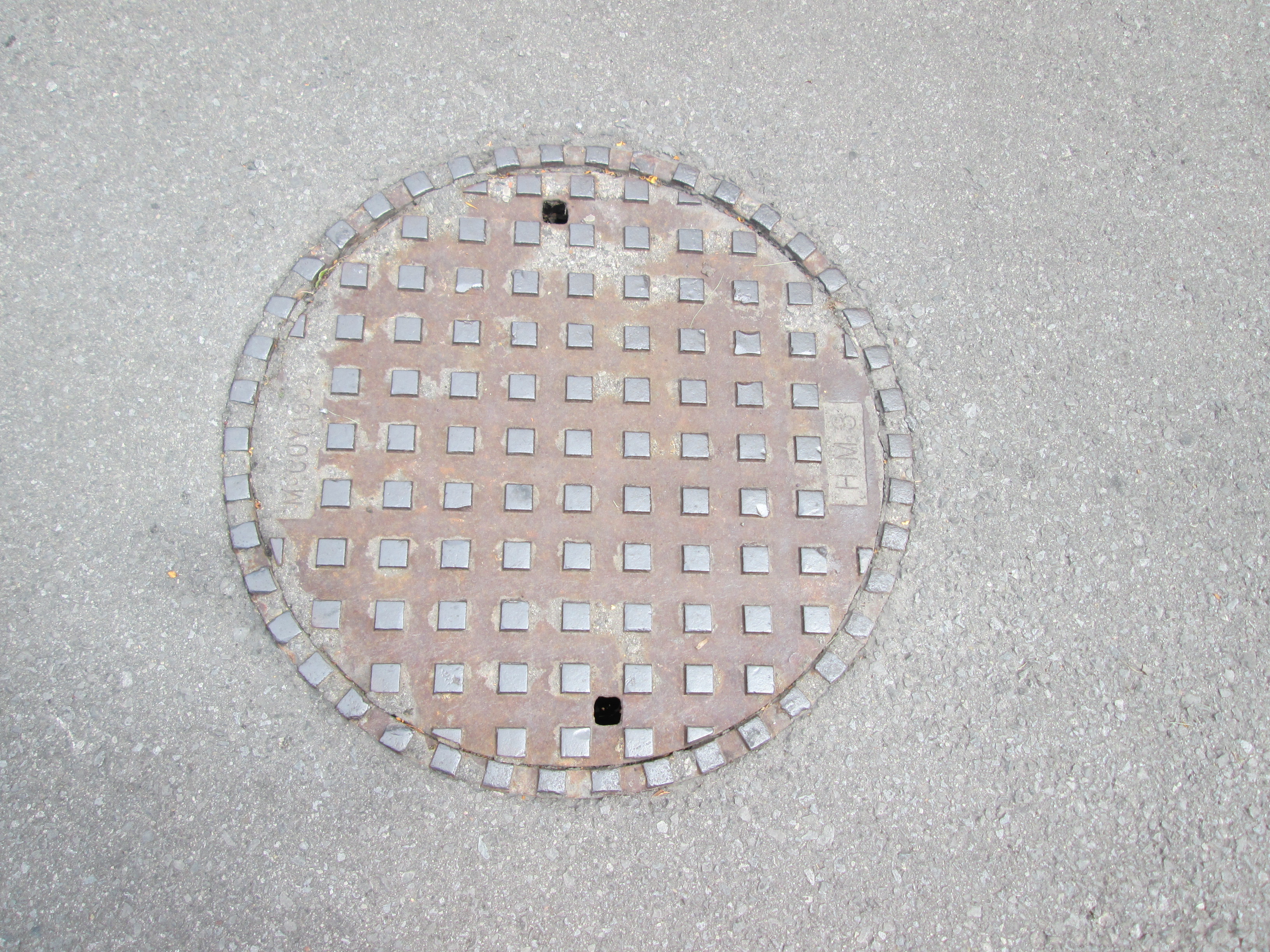
A sanitary sewer is where all the water inside your home or business ends up after it has been used. The water from toilets, sinks, showers, dishwashers and washing machines flows to a wastewater treatment plant (WWTP), where it is cleaned and tested before being released back into Burlington Bay or Lake Ontario, depending on the location of the WWTP.
What is a storm sewer?
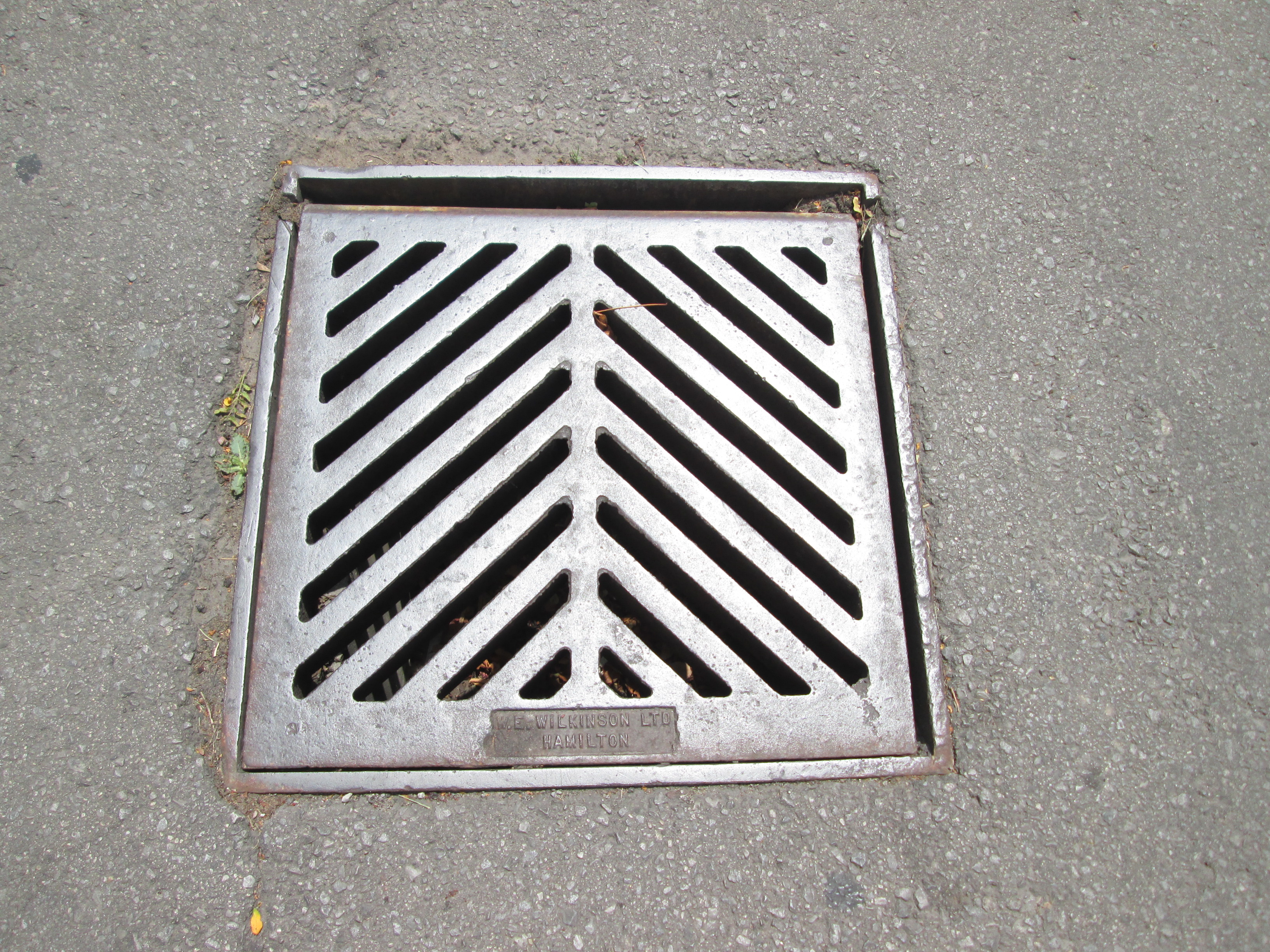
A storm sewer collects rain and melted snow through large grates on the street known as catch basins. This water flows directly into a local creek or water body without being treated. In Halton Region, this untreated water eventually flows into Lake Ontario or Burlington Bay.
Ongoing pool maintenance
Pool water contains several products, such as chlorine, which help to keep the pool clean. However, if released directly into the storm sewer (the water that’s not treated and ends up directly in water bodies), pool water can have a severe impact on the microorganisms, plants and fish in our ecosystem.
Filter backwash water
Backwash water, which is created when rinsing the filter with clean water, contains sediment and chemicals. This water must be filtered and dechlorinated if it is going to be released in the storm sewer. Otherwise, it must be released into the sanitary sewer or across the lawn on your property. See below for additional details.
What should my pool service company or I do if I have a chlorine or bromine pool?
Dechlorinate the water by letting the pool water sit for a week or more, preferably under sunny conditions. This will allow the chemicals to evaporate, lowering their concentration in the water. Test the pool water to ensure that levels are close to zero. At this point, you can slowly release the water on your lawn to be absorbed into the ground or to a storm sewer on a day when rain is not forecasted. When you release pool water onto your property, there is the added benefit of watering your grass. Pool water discharge is not permitted on private property, without the consent of the owner, or on sensitive lands such as a ravine, valley, wetland, watercourse, etc.
What should my pool service company or I do if I have a saltwater pool?
Unlike chlorine pools, letting a saltwater pool’s water sit will not alter the salt levels within the water. As a result, saltwater pools must be slowly emptied into the sanitary sewer connected to your home or removed by an approved waste hauler. Under no circumstance can a saltwater pool be discharged into a storm sewer, a sanitary manhole or directly into a ravine or creek. The saltwater itself can kill aquatic organisms. Saltwater pools should only be drained during dry weather and never during a storm. For homes with a sanitary lateral (commonly called a sewer pipe) cap, the homeowner can remove the cap with a wrench and slowly drain the saltwater pool through this pipe. Another option is to drain the pool through a laundry tub in the basement.
For more information
The City of Burlington provides a pool maintenance brochure (pdf) with pool permits. The brochure is also available at burlington.ca/water.
Check out an informative video produced by the City of London, Ontario called Drain Your Pool the Right Way.
Our summers are getting hotter. If you’re looking for a pool, splash pad or spray park to stay cool, visit the City of Burlington’s webpage for a location near you.
Enjoy the rest of summer.
Take Action Burlington. Empty your pool, spa or hot tub the right way. Collectively, we can make a difference.
This post was originally published in August 2016. To help raise the level of awareness about this important topic, updated versions have been posted every year since then.
 Take Action Burlington
Good morning
Since yesterday, my neighbour has been pumping out his pool water out. It is all over the lane and running to the storm sewer basin.
My other neighbour is also washing his cars, the soapy water and car additives are flowing to the storm sewer basins.
These neighbours did not read this article.
Is there a bylaw to clarify these situations, or just lack of common sense?
LikeLike
The City’s bylaws do not regulate pool discharge. The City posts information about proper pool discharge through the Take Action Burlington blog, burlington.ca/water, and through a brochure that is provided with pool permits.
LikeLike